About Bundle
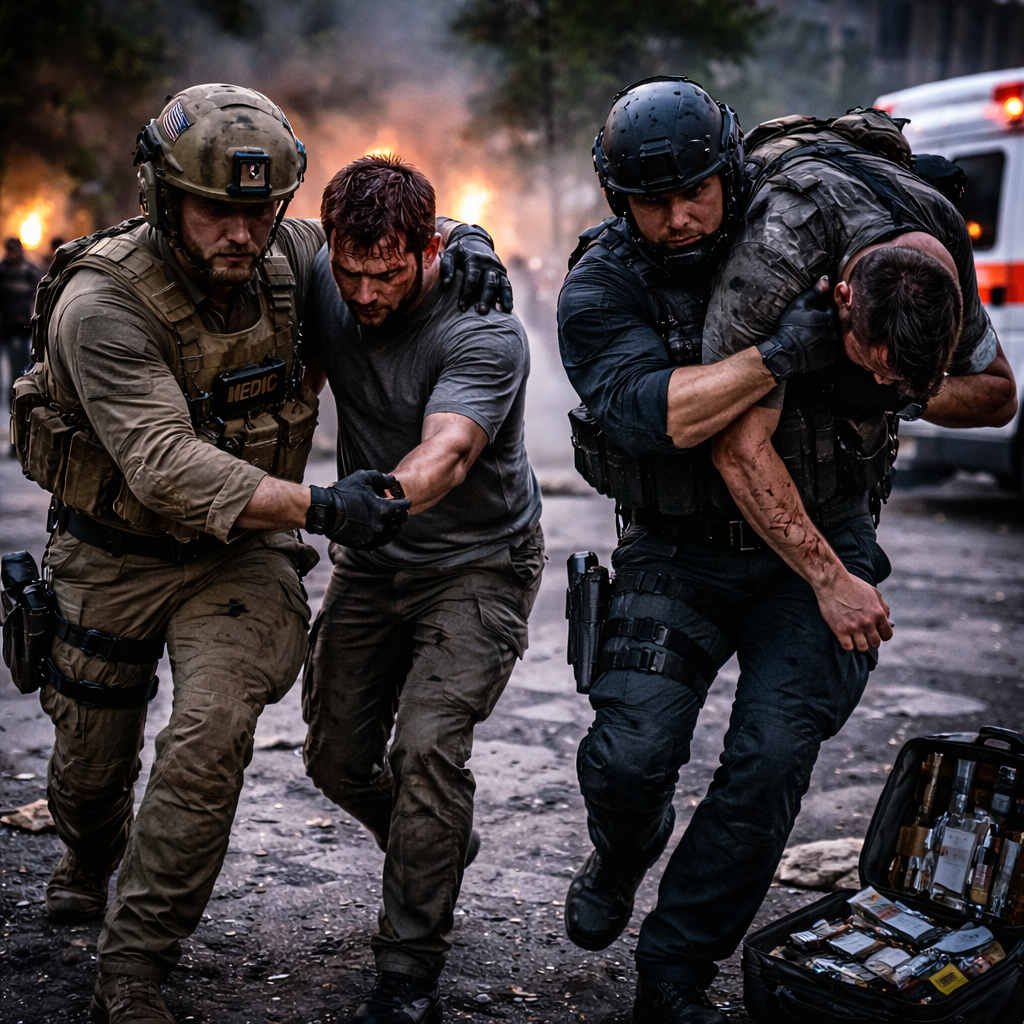
The program “Expert in Scenario Management in Complex Environments” It is an advanced training program aimed at developing professional skills for act, coordinate and respond in critical high-risk situations: violent incidents, multiple threats, unstable environments, mass emergencies, and operational contexts where decision-making must be immediate and accurate.
Developed and delivered by A-GLOSS, This itinerary integrates essential procedures for operating safely and effectively in complex scenarios, combining self-protection in risk areas, situational environment control, intervention in violent armed attacks (AVA Protocol) and first aid in tactical environments. The student will learn to assess the terrain, anticipate risks, coordinate responses, and apply assistance and evacuation protocols in adverse conditions.
The methodology combines theoretical modules with a practical approach, incorporating case studies, operational protocols, application exercises, and instructor support. The program concludes with a integrative work, where the student will apply the knowledge acquired to a realistic scenario, consolidating their operational profile for crisis management.
Upon completion, participants will receive a certificate of completion endorsed by A-GLOSS, demonstrating competence in critical scenario management, response to violent incidents and tactical assistance in complex environments.
What Will You Learn?
Analyze complex scenarios and critical environments to anticipate threats and operational risks.
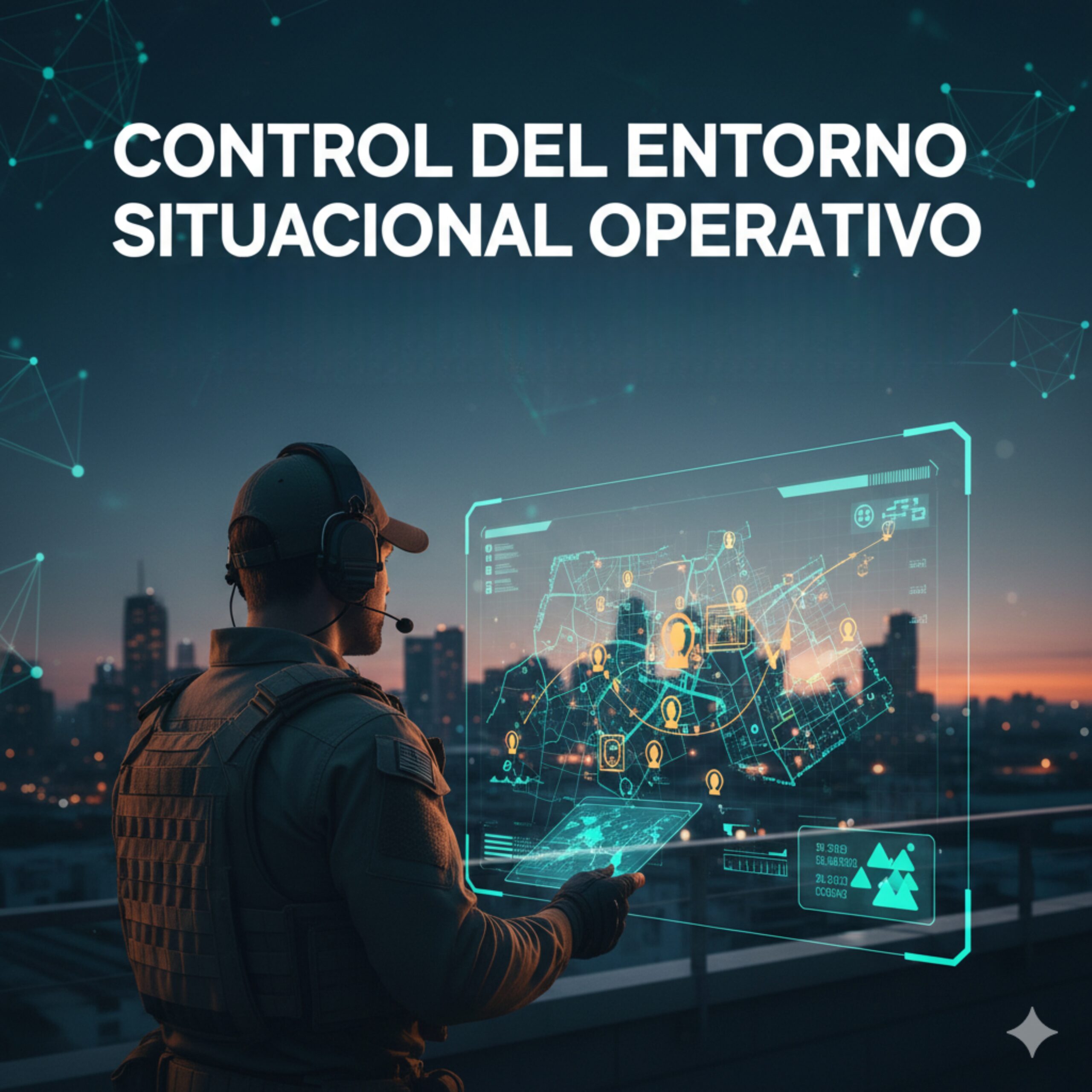
Apply situational environment control to improve decisions under pressure and in real time.
Identify critical points of the terrain, safe routes, coverage and vulnerabilities of the environment.
Execute self-protection and operational survival procedures in risk zones.
Implement response protocols for critical incidents and extreme violence.
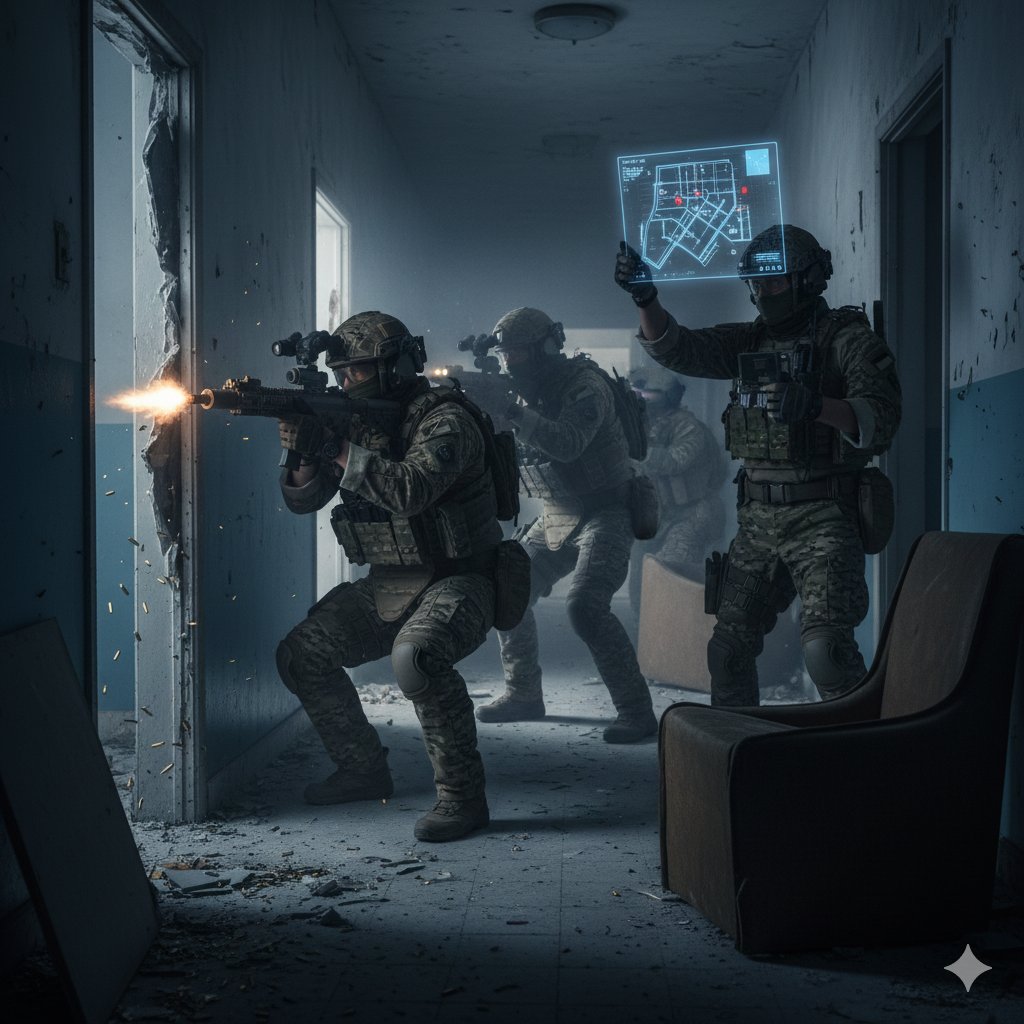
Apply the AVA Protocol in the face of violent armed attacks and active aggressor scenarios.
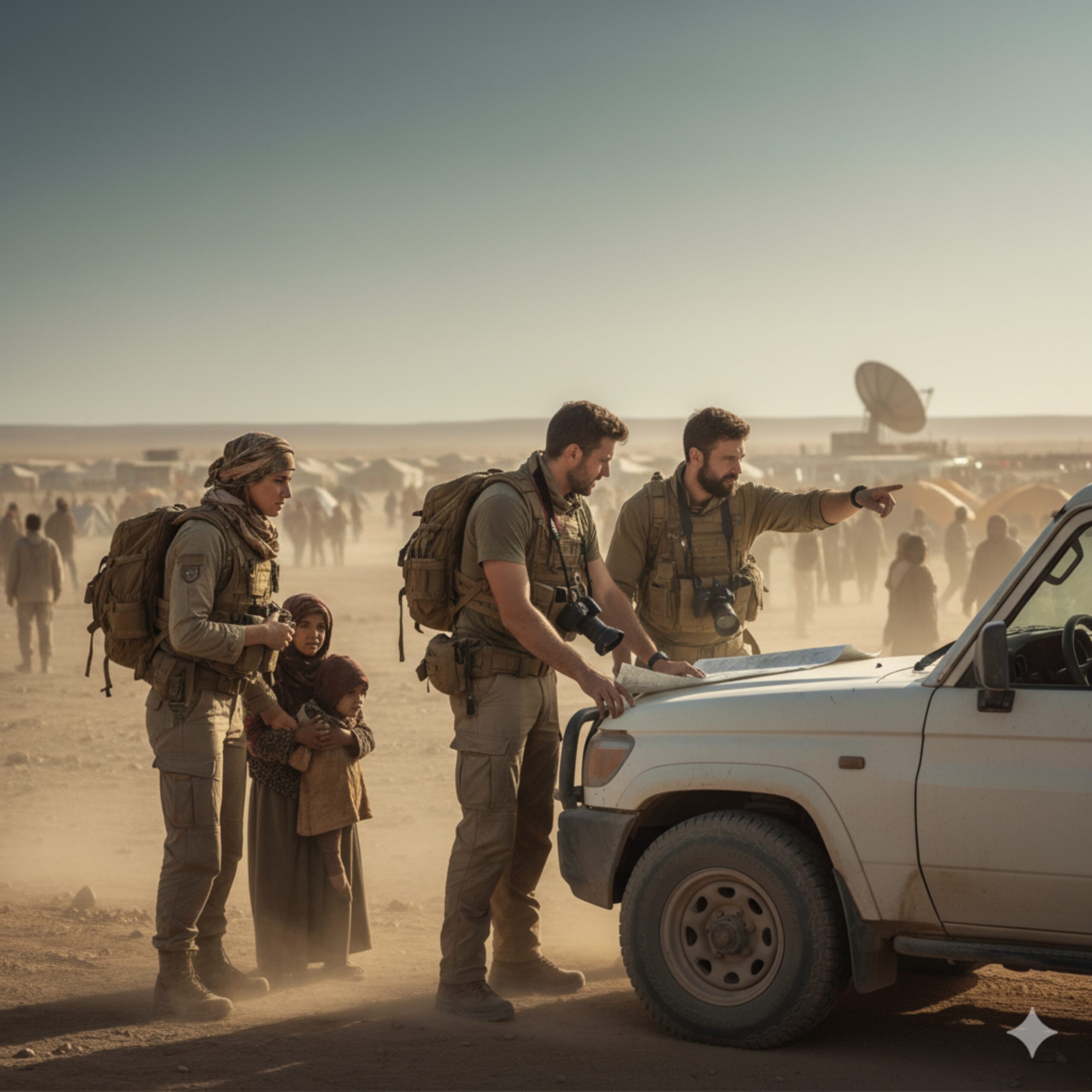
Coordinate immediate response, evacuation and shelter in crisis situations.
Manage tactical communications and team coordination in dynamic environments.
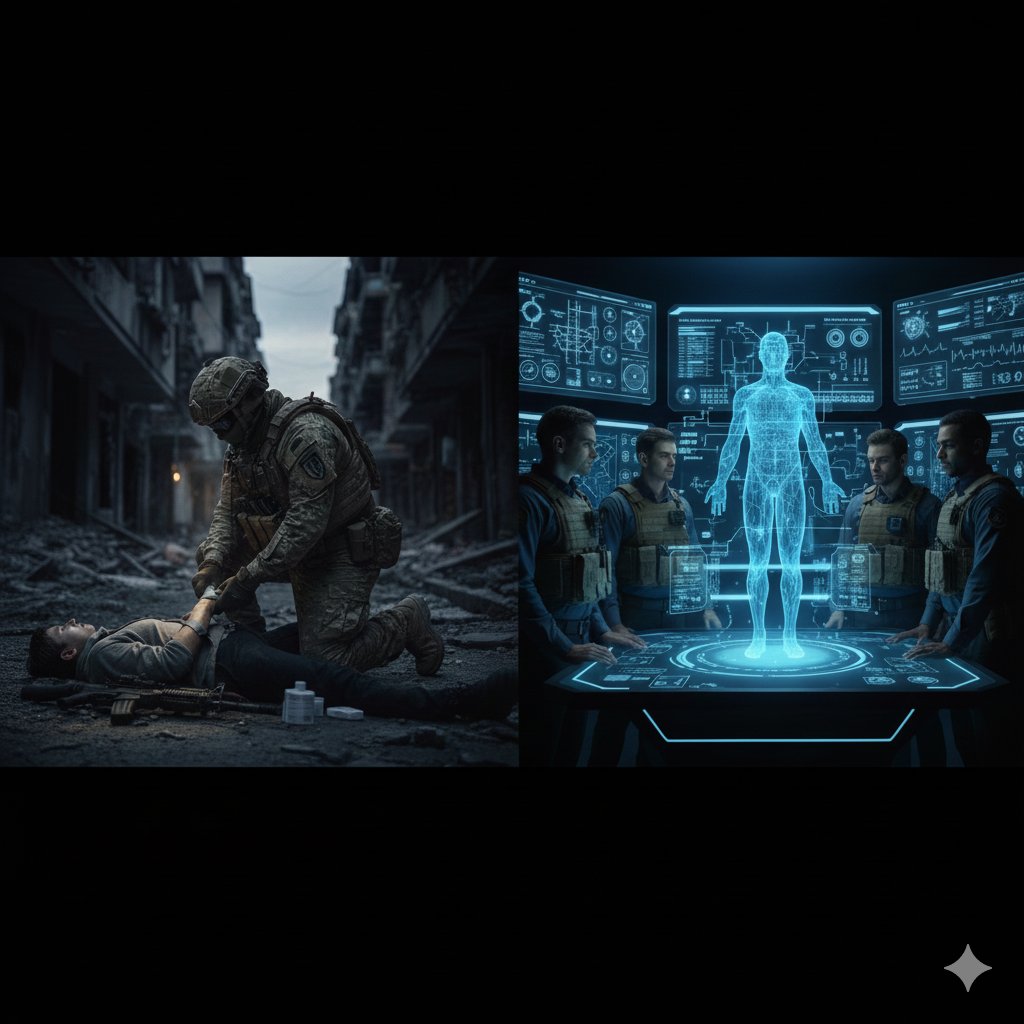
Apply tactical first aid: control bleeding, trauma management, and immediate care.
Prioritize victims and perform basic triage in multiple casualty situations.
Design contingency plans and operational checklists for emergency response.
Integrate self-protection, intervention, and tactical assistance into a complete operational plan.
Conduct post-incident assessments for continuous improvement and optimization of procedures.
Prepare reports and operational documentation applicable to real-world contexts.
Develop a final integrative project applying the program to a realistic scenario.